How E-Commerce Brands Use RCS to Recover Lost Sales
How E-Commerce Brands Use RCS to Recover Lost Sales
E-commerce is brutal. You spend money getting someone to your site, they browse, put something in their cart, and then... they leave. Sometimes they come back. Usually, they don't.
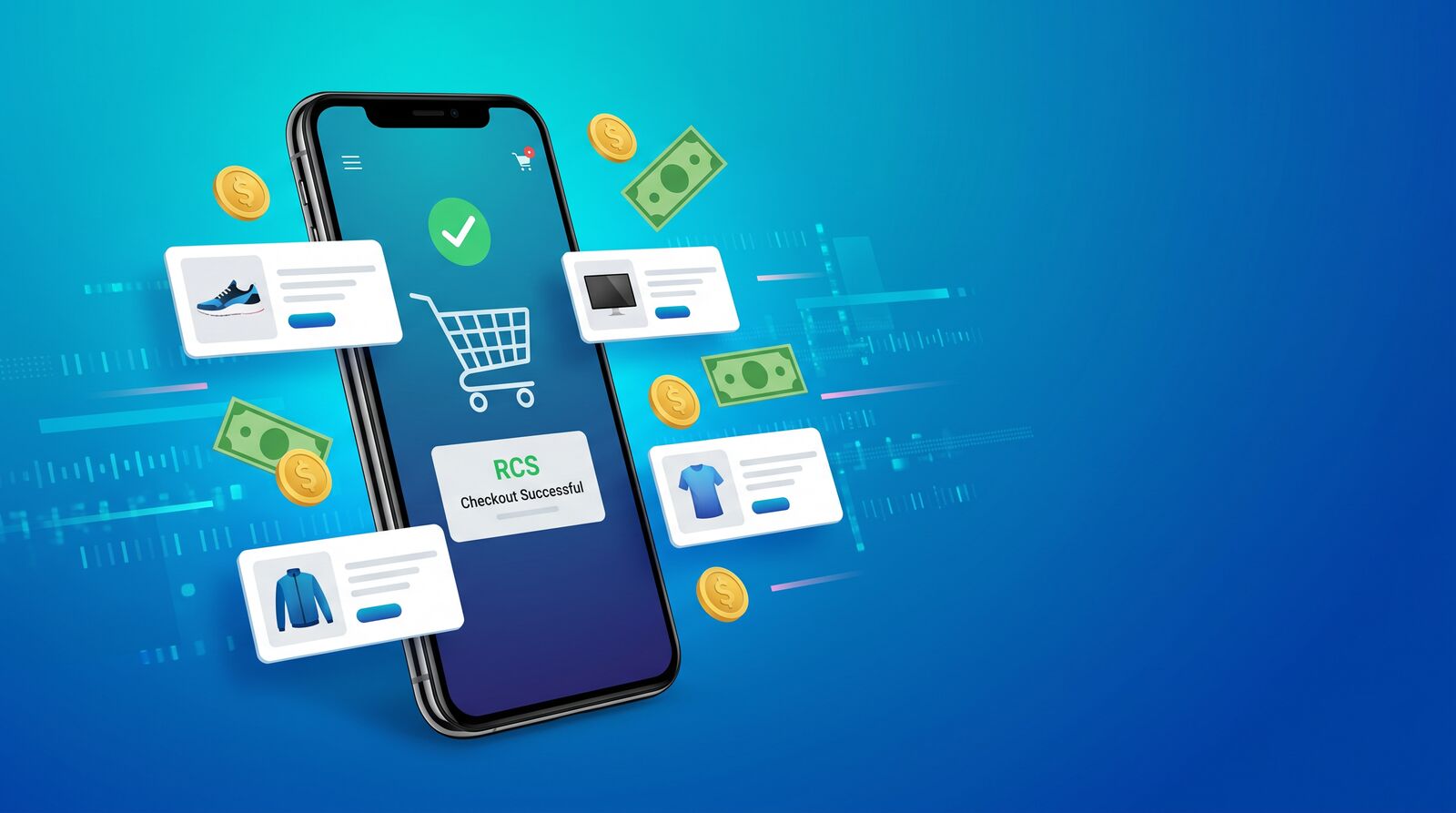
That's where RCS changes the game for e-commerce. I've worked with online retailers that were hemorrhaging revenue through abandoned carts, and RCS helped them recover 25-30% of it. That's not a small number.
Let me walk through the actual tactics that work, because generic "best practices" for RCS usually miss what makes e-commerce special.
The Cart Abandonment Recovery Campaign
This is the most obvious use case, and also where I see brands get it wrong most often.
Standard approach: Customer abandons cart. You send an SMS: "Did you forget something? Click here to complete your purchase." Maybe 10% of people click. Maybe 1% convert.
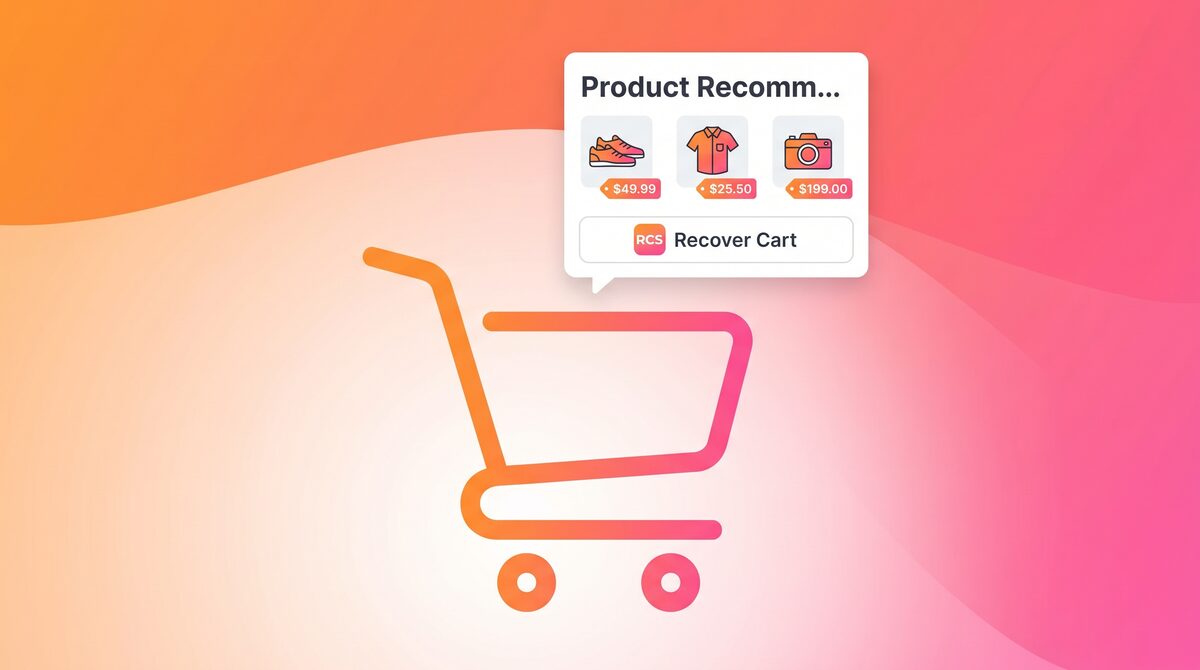
Better approach with RCS: Customer abandons cart. You send an RCS message with product images, current price, urgency indicators (if applicable), one-click checkout button, and a "Save for Later" option. 25-30% of people click. 3-5% convert.
Why the difference? First, people can see exactly what they were about to buy without clicking anything. Visual confirmation matters—they remember why they were interested. Second, the friction is lower. One tap to complete the purchase, not a multi-step checkout flow.
The details matter:
- Send timing: 30-60 minutes after abandonment is ideal. Too soon feels pushy; too late, they've moved on.
- Product images: High quality, product-focused (not lifestyle shots). People need to see what they were buying.
- Current price: If you've discounted since they added to cart, highlight it. "Price dropped to $X"
- Inventory scarcity: If you have low stock, say it. "Only 3 left in stock"
- One-click checkout: Make the path to purchase as short as possible.
The conversion lift usually justifies the channel. You're recovering revenue that was otherwise lost.
Post-Purchase Engagement
Most e-commerce brands do this terribly. They send an order confirmation (smart), then disappear until the package arrives (dumb).
With RCS, you can build a narrative around the purchase:
Within 1 hour: Order confirmation with order summary, tracking link, estimated delivery date. Single tap to view tracking.
Day 1-2: "Your order has been packed and is on its way." With a shipped notification and tracking info.
Day 3-4: "Your package is in transit" with a map-like visualization showing delivery progress.
Delivery day: Real-time delivery notification with a window estimate.
Post-delivery: "Your package arrived" with a one-tap review request or follow-up survey.
Why this matters: It keeps customers engaged with your brand, reduces support inquiries ("Where's my order?"), and builds trust. It also creates multiple touchpoints where you can show them complementary products or future offers.
Product Recommendations in Context
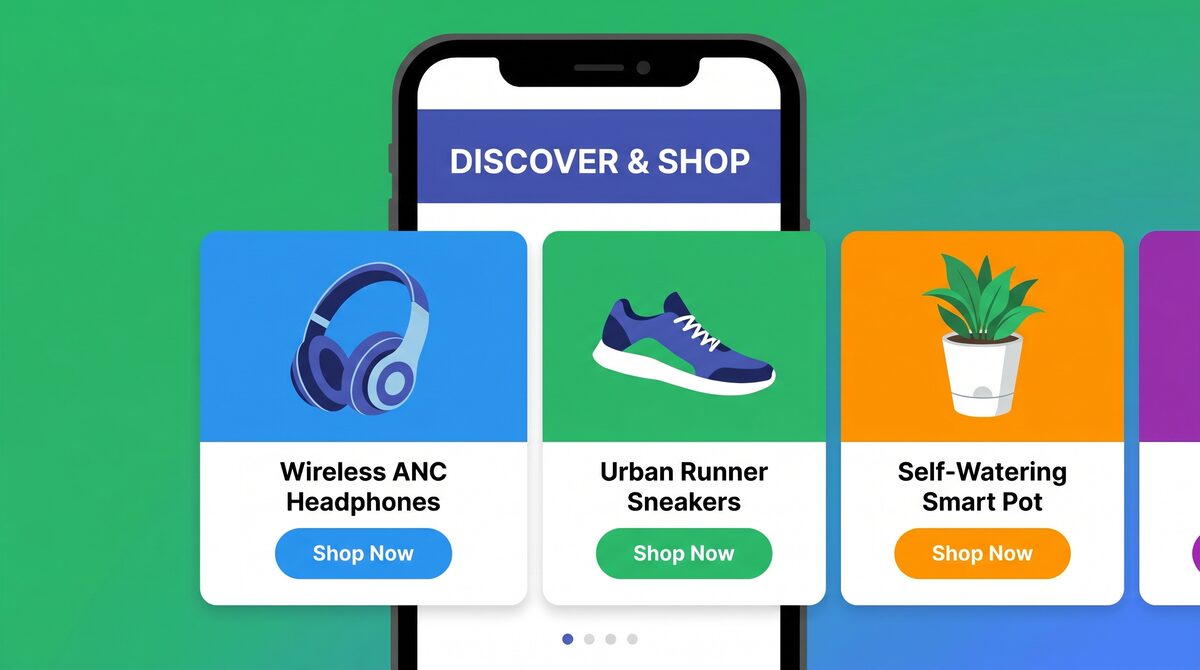
Here's where RCS shines for e-commerce. Static product recommendations in email are fine. Dynamic product carousels in RCS are magic.
Scenarios where this works:
After browsing without buying: "You looked at these items. Check them out again." RCS carousel with 3-4 items they viewed, current availability, and shop buttons.
Complementary products: "Customers who bought item also loved these." RCS showing relevant add-ons with price and one-tap add-to-cart.
Restocking notification: "That item you loved is back in stock." Show the product with price, availability, and shop button. Get 40-60% of people to click through.
Personalized promotions: "We're giving you 20% off these items." Show their browsing/purchase history, apply the discount, make it easy to shop.
The key is: these aren't generic recommendations. They're contextual, personalized, and action-oriented. You're showing the right product to the right person at the right time.
Seasonal and Flash Campaigns
Black Friday, Cyber Monday, seasonal sales—these are bread and butter for e-commerce. RCS is perfect because you can show multiple products and prices in one message.
The SMS version: "CYBER MONDAY SALE! 40% off. Click here."
- CTR: 3-5%
- Conversion: 0.5-1%
The RCS version: Carousel with your top 10 sale items, prices, original vs. sale, one-tap shop buttons for each.
- CTR: 15-20%
- Conversion: 3-5%
The difference is that people can see the actual products and prices without leaving the message. They don't have to hunt through your website to find what's on sale.
For seasonal campaigns, you can get even more sophisticated:
- Send RCS messages over multiple days (not just one "sale is on" message)
- Show different products based on browsing/purchase history
- Remind people as the sale ends ("Only 2 hours left for 40% off")
- Show inventory levels ("Only 5 of this item left")
The Review and Feedback Loop
Most e-commerce brands don't ask for reviews because the friction is too high. "Click here to leave a review" gets maybe a 2-3% response.
RCS changes this. You can embed a quick survey or 1-5 star rating directly in the message. Response rates jump to 15-25%.
Why does this matter?
- More reviews = higher conversion: Unbiased reviews drive buying decisions. More reviews means more social proof.
- Feedback on quality: If you're getting low ratings, you know there's a problem to fix.
- Happy customer marketing: Great reviews can be used in testimonials, ads, product pages.
- Identify problems early: If a customer gives you 2 stars, you have the opportunity to fix it before they post a negative review somewhere.
The key: ask immediately after delivery while the experience is fresh. Don't wait weeks.
Loyalty and Retention
Where RCS gets really interesting for e-commerce is retention marketing.
Points balance updates: "You have 2,500 points. Redeem now for reward." With a one-tap redemption button.
Birthday offers: "Happy birthday! Here's 20% off just for you." Personalized, timely, and easy to use.
Anniversary campaigns: "It's been a year! Thank you. Here's a special offer." Shows that you're paying attention.
Win-back campaigns: "We miss you! Come back for 25% off." Works better with RCS because the offer is right there—no clicking to verify.
The reason these work: they feel personal, they're easy to act on, and they show the customer they're valued. E-commerce is competitive; making existing customers feel special builds loyalty.
Common Mistakes E-Commerce Brands Make with RCS
Being too salesy: Every message is a promotion. People get fatigued. Mix in valuable content—shipping updates, size guides, style tips—between promotional messages.
Not personalizing: Generic "You have a sale" messages get ignored. "Based on your browsing, you might love this" gets attention.
Wrong timing: Sending promotional RCS at 2 AM gets scrolled past. Send at times when your specific customer base is most engaged.
Poor mobile experience: RCS is mobile-first. If your landing page or checkout doesn't work perfectly on mobile, your RCS traffic will convert poorly. Fix that first.
Ignoring segmentation: Sending the same RCS campaign to everyone doesn't work. Segment by purchase history, browsing behavior, customer value, and send targeted messages.
The Real ROI for E-Commerce
Let me give you concrete math. Say you're an e-commerce brand with:
- 50,000 monthly newsletter subscribers
- 10,000 abandoned carts per month (20% of all visitors)
- Current SMS engagement: 2% CTR, 0.5% conversion (10 to 15 cart recoveries)
- Average order value: $75
Current abandoned cart recovery:
- 10,000 carts × 0.5% conversion = 50 recovered sales
- 50 × $75 = $3,750/month = $45,000/year
With RCS (being conservative):
- Move 30% of cart recovery traffic to RCS
- 3,000 carts via RCS at 3% conversion = 90 recovered sales
- 7,000 carts via SMS at 0.5% conversion = 35 recovered sales
- Total: 125 recovered sales × $75 = $9,375/month
- Incremental: $5,625/month = $67,500/year
Implementation cost: $30,000-40,000 Payback period: 5-7 months Year 2: $67,500 additional revenue with minimal additional cost
And that's just from cart recovery. Add in seasonal campaigns, product recommendations, post-purchase engagement, and loyalty campaigns—the opportunity multiplies.
Getting Started with RCS for E-Commerce
- Start with cart abandonment. It's the easiest win and shows the clearest ROI.
- Build your RCS infrastructure. Integrate with your e-commerce platform and messaging provider. Make sure you can dynamically populate product images, prices, and inventory status.
- Create templates for key workflows. Cart abandonment, post-purchase, product recommendations, seasonal promotions, loyalty. Have these ready to go.
- Test with a segment. Don't launch to your entire list. Test with 10% of your audience first, measure results, optimize, then expand.
- Train your team. Your marketing and product teams need to understand RCS capabilities and best practices. Don't just hand them a tool; teach them how to use it effectively.
- Measure everything. Track engagement by message type, audience segment, timing, and content format. Use this data to optimize.
E-commerce is won on conversion rates, customer lifetime value, and retention. RCS improves all three. If you're running an online store and not using RCS yet, you're leaving significant revenue on the table.
Ready to start recovering those abandoned carts? Schedule a consultation when you're ready to implement.
Find out if you're ready for RCS
Take our free 5-minute readiness assessment and get personalized recommendations for your business.
Tim Mushen
Experienced RCS messaging specialists sharing insights and best practices.
Related Articles
Industry Guides
RCS in Healthcare: Appointment Management and Patient Engagement
Cut no-shows and improve patient messaging with RCS—guidance for healthcare operators and IT planning compliant outreach.

Industry Guides
RCS for Retail - Drive Foot Traffic and In-Store Conversions
Drive foot traffic and in-store conversions with RCS—tactics for retail marketers planning local and inventory campaigns.